

Mount Pleasant · 2026 Market UpdateMount Pleasant Real Estate in 2026: One Town, Two Different Market ProfilesThe latest numbers show a market that is still moving — but pricing,

Dated: August 12 2026
Views: 35
Charleston's coastal communities each offer a genuinely different way of life. Isle of Palms suits buyers who want beach access and an active social scene; Daniel Island appeals to families and professionals who want walkability and a planned community; and Kiawah Island is for buyers seeking private, resort-caliber luxury.
Understanding those differences before you tour a single home can save you weeks of searching in the wrong direction. I've helped hundreds of families make this move, and one of the biggest mistakes I see is people falling in love with a property before they've figured out which lifestyle actually fits their day-to-day.
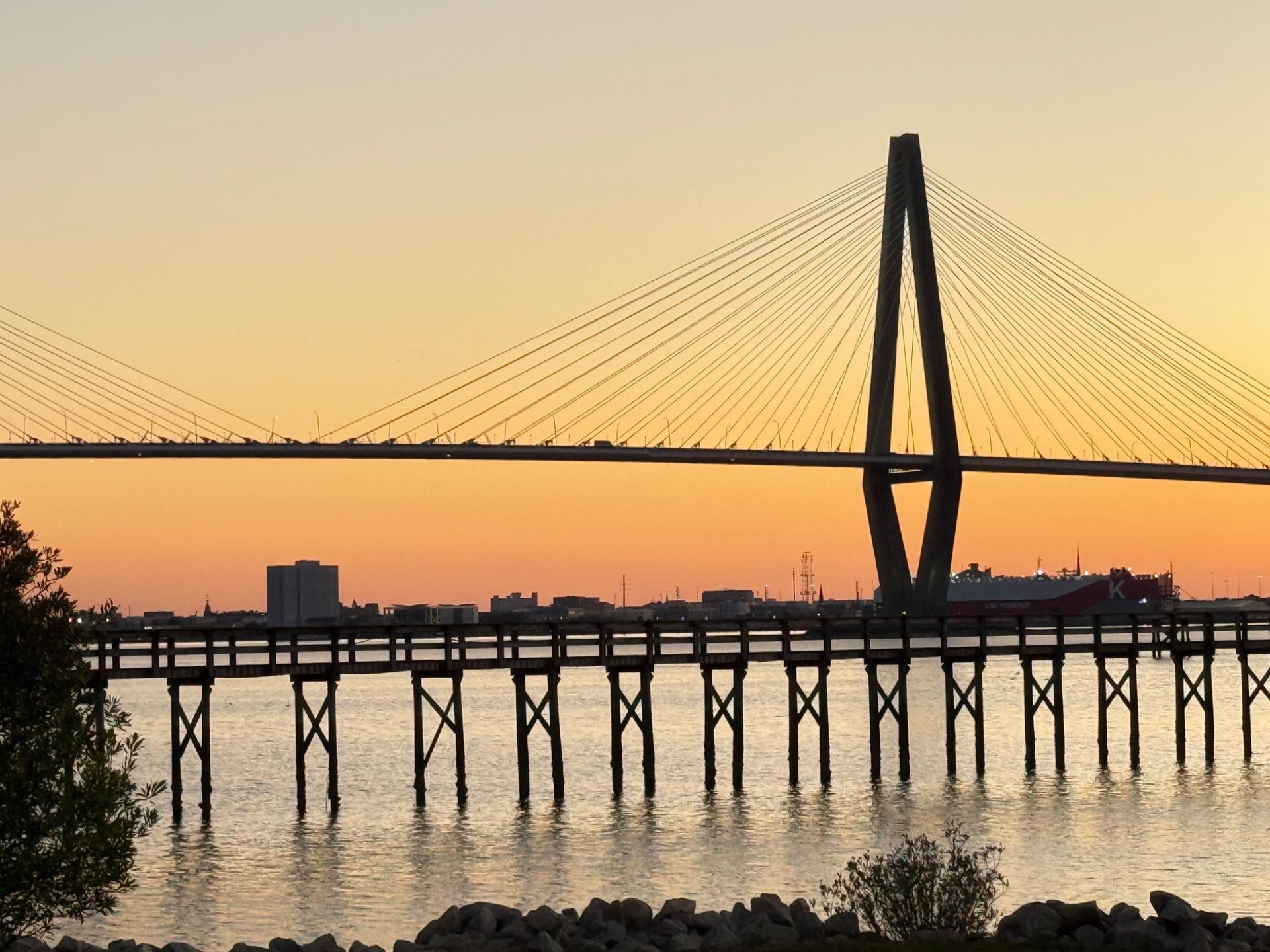
The Charleston metro stretches across barrier islands, peninsulas and inland suburbs in a way that surprises many newcomers. What looks like a short drive on a map can involve bridges, beach traffic and tidal geography that shapes your routine more than you'd expect. Here's how some of the major coastal communities compare.
Isle of Palms is a barrier island connected to Mount Pleasant by the Isle of Palms Connector. It's a true beach town: ocean-facing homes, short-term rental activity, golf at Wild Dunes Resort, and a walkable commercial strip on Palm Boulevard. Buyers here tend to be either primary residents who want the beach as a backyard or investors drawn to the short-term rental market.
The trade-off is that island life means a bridge commute into Mount Pleasant or downtown Charleston. During summer and holiday weekends, the connector sees real traffic. If you're commuting daily to a downtown office, build that into your decision. If you're working remotely or retired, it may be far less important.
Sullivan's Island sits just across Breach Inlet from Isle of Palms and has a completely different character. It's quieter, more architecturally varied and historically significant. Short-term rentals are tightly restricted, which helps preserve the residential feel. Inventory is limited and prices reflect that scarcity. If you want beach proximity with a neighborhood atmosphere, Sullivan's Island deserves a serious look, though your options at any given time will usually be narrow.
Daniel Island is a master-planned community built on a roughly 4,000-acre island between the Cooper and Wando rivers. It has its own town center, a network of walking and biking trails, and two golf courses at Daniel Island Club. It's not a beach community in the traditional sense, but it offers waterfront living along the river with convenient access to downtown Charleston and the airport.
For relocating families and professionals, Daniel Island can be one of the most compelling lifestyle choices in the metro. Read my Daniel Island Before You Buy guide.
Kiawah is in a category by itself. It's a private, gated island about 25 miles southwest of downtown Charleston, anchored by Kiawah Island Golf Resort and five championship golf courses, including the Ocean Course. Properties range from oceanfront villas to estate homes tucked into maritime forest. The pace is intentionally unhurried.
The practical reality is that Kiawah is not a commuter community. Most buyers are retirees, second-home purchasers or remote workers who've deliberately chosen the privacy and slower pace. If you need to be in a downtown office several days a week, the drive deserves serious consideration.
Mount Pleasant is where many relocation buyers land when they want coastal proximity without island logistics. Neighborhoods range from the historic Old Village to newer master-planned communities. Its position between the barrier islands and downtown makes it genuinely convenient for many lifestyles. Read my Living in Mount Pleasant guide.
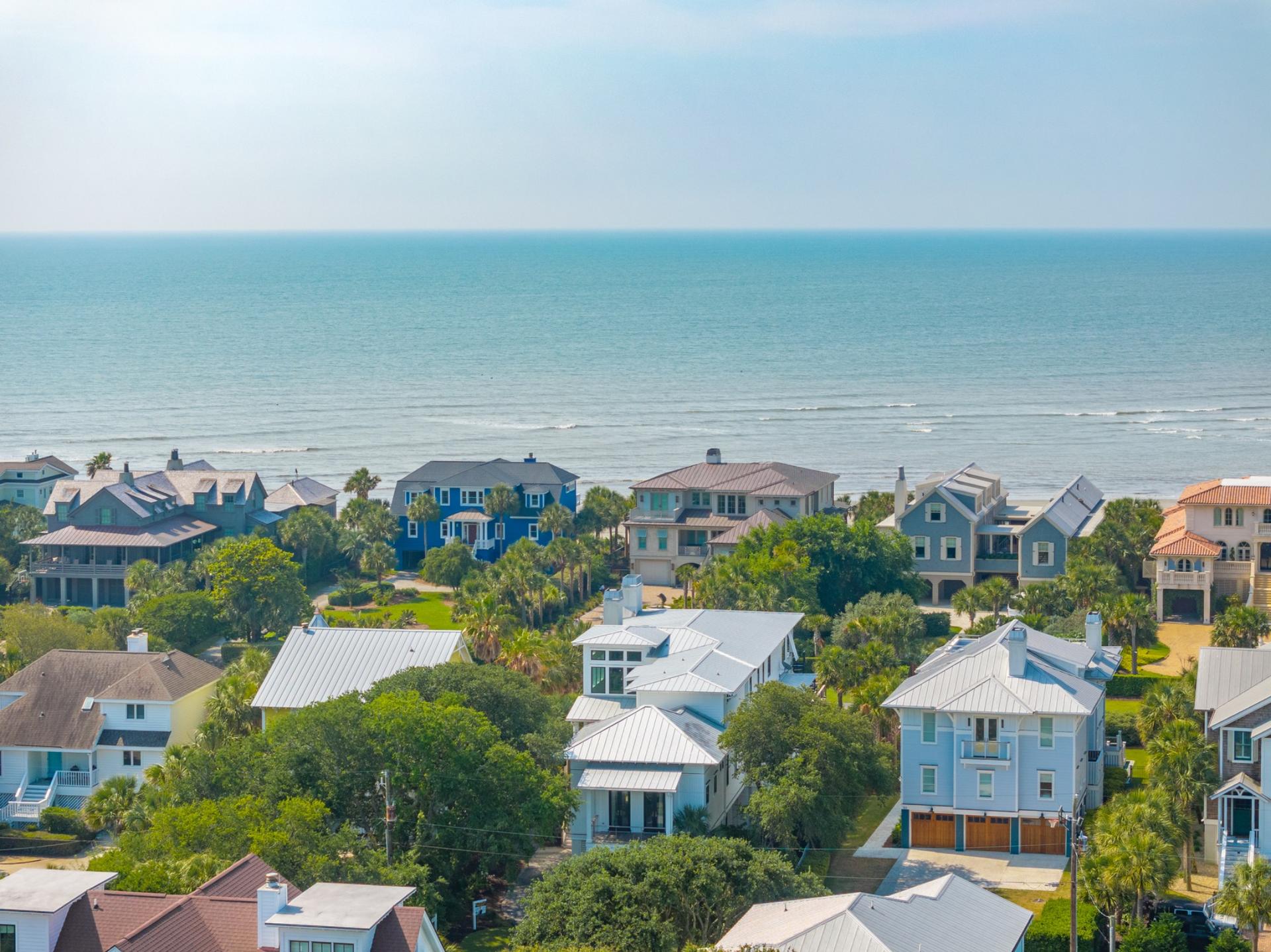
Charleston's housing market in 2026 has shifted meaningfully from the frenzied pace of 2021 and 2022. Inventory has risen across most price points, days on market have stretched, and buyers have more negotiating room than they've had in years. That doesn't mean prices have fallen sharply, but it does mean the dynamic has changed in your favor if you're relocating and need time to make a thoughtful decision.
According to the National Association of Realtors , inventory nationally has been recovering through 2025 and into 2026, and Charleston has followed that broader trend.
Any individual home's value still depends on its condition, street, location, build year, view, flood profile and timing. Community-wide numbers are useful context, but they are a starting point rather than a verdict on a specific property.
| Community | Character | Best Fit For | Key Trade-off |
|---|---|---|---|
| Isle of Palms | Active beach town | Beach-primary buyers, investors | Bridge commute, seasonal traffic |
| Sullivan's Island | Quiet residential beach | Buyers wanting a neighborhood feel | Very limited inventory |
| Daniel Island | Master-planned, walkable | Families, professionals, remote workers | HOA structure, not oceanfront |
| Kiawah Island | Private luxury resort island | Retirees, second-home buyers, remote workers | Distance from downtown |
| Mount Pleasant | Suburban coastal hub | Commuters, families, broad price range | More suburban than island living |
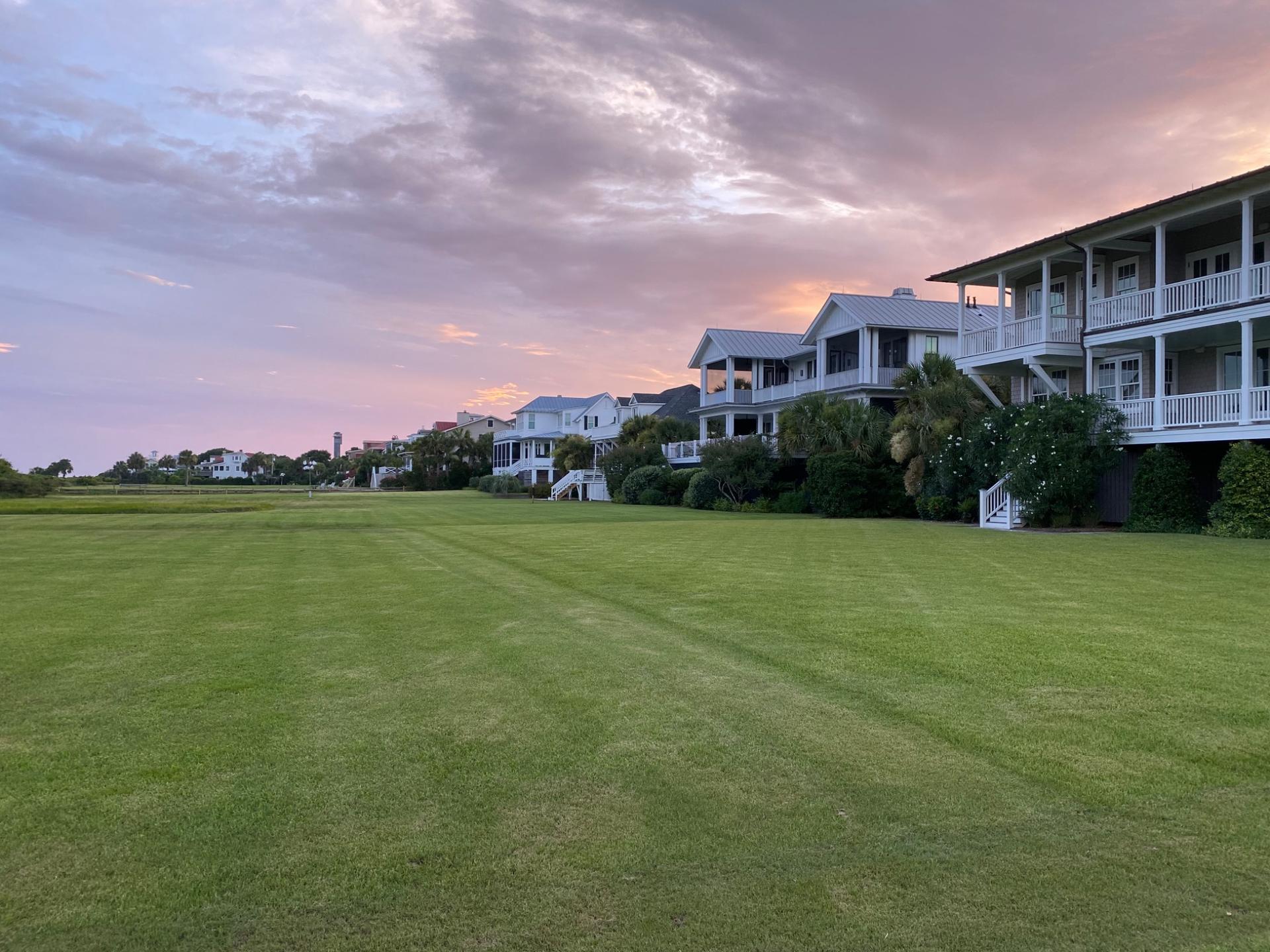
Relocating buyers face a compressed decision window that local buyers don't. You're often making a major purchase after one or two visits, relying heavily on your agent's knowledge of what you can't see on a video tour. Here's how I approach it with out-of-state clients.
Charleston's coastal market can still move quickly for well-priced properties. If you find the right home during a short relocation visit, you need to be able to move. The CFPB's homebuying resource is a solid starting point for understanding the mortgage process if you're early in the financing conversation. Work with a lender who has experience with jumbo loans if you're targeting the barrier islands, where prices frequently exceed conforming limits.
Coastal South Carolina properties carry flood considerations that buyers from inland markets aren't used to thinking about. The FEMA flood map service is publicly available and worth reviewing for any property you're seriously considering. Flood insurance costs, elevation certificates, and the distinction between FEMA's National Flood Insurance Program and private flood carriers can all affect your monthly carrying costs and financing.
Communities like Wild Dunes, Daniel Island, Kiawah Island, and Beresford Hall can have HOA or Property Owners' Association structures that govern everything from exterior paint colors to short-term rental permissions. Review the governing documents, reserve fund information, and any pending special assessments before you commit.
Charleston in late summer is hot, humid, and hurricane-season-aware. The barrier islands in July feel different from the barrier islands in January. If you can make a second visit outside of the season you first toured in, you'll have a more complete picture of what daily life actually looks like. The National Weather Service Charleston office is a useful local weather resource.
The South Carolina Department of Transportation has ongoing infrastructure work across the metro, but bridge-dependent communities like Isle of Palms and Sullivan's Island will always have different traffic considerations than Daniel Island or Mount Pleasant.
If you're relocating for a job at Boeing, the Port of Charleston, Joint Base Charleston, or one of the downtown employers, map your actual commute from each neighborhood you're considering, not just the straight-line distance. Your specific situation — whether that's a hybrid work schedule, military PCS move, or full remote setup — changes the calculus entirely.
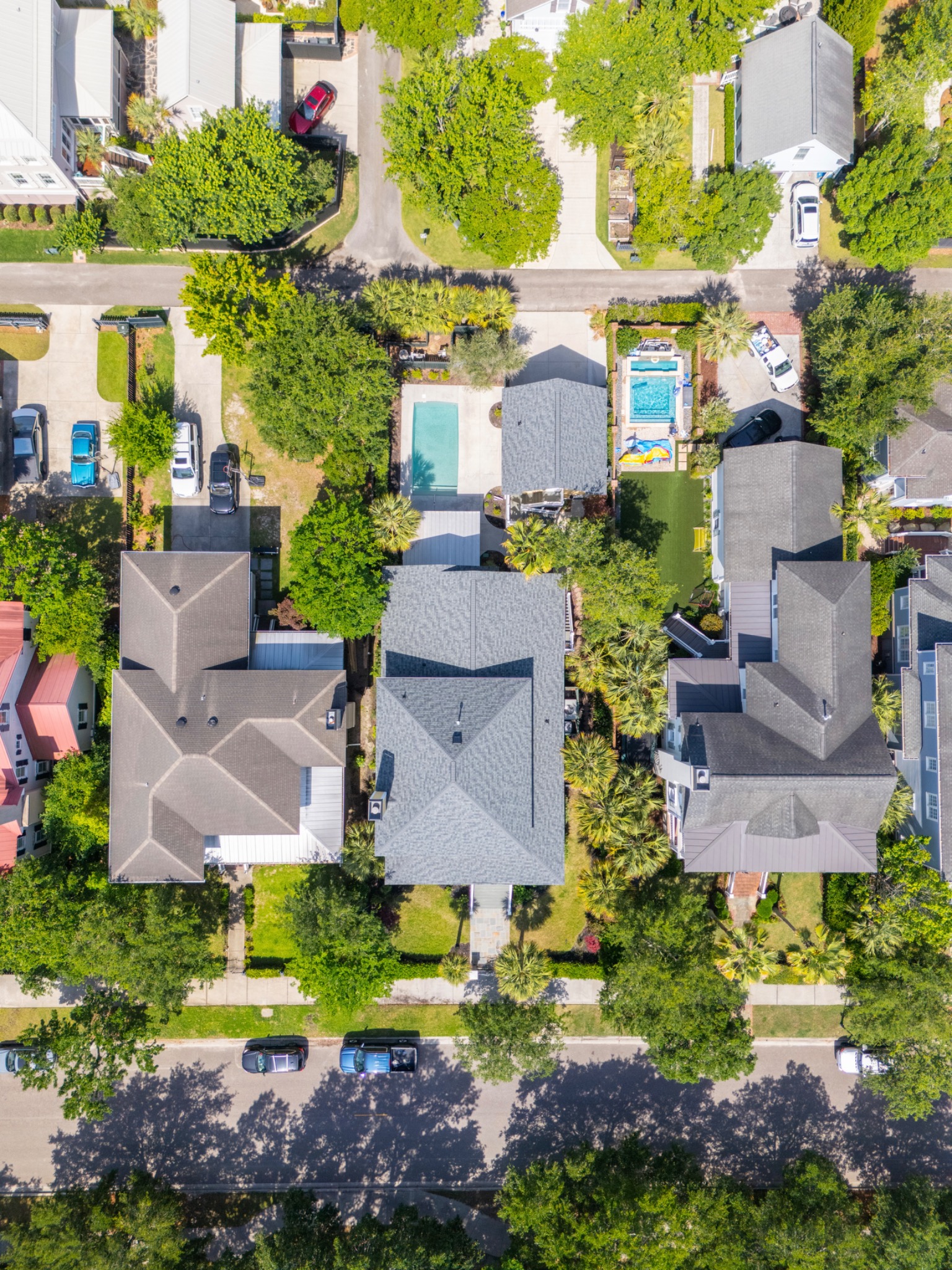
Military families often face an even tighter relocation timeline. Buying during a PCS can mean coordinating VA financing, travel, inspections, school decisions, commute times, and a closing date before you've had much time to learn the Charleston area.
Explore the Charleston Military PCS GuideIf you'd like to read what clients have said about working through a Charleston relocation with me, you can find client experiences on Zillow and Realtor.com.
Most relocation buyers I work with take two to four weeks of active searching before going under contract, though that depends on how clearly defined your priorities are and how quickly you can visit. Once under contract, a standard South Carolina closing often runs about 30 to 45 days. If you're relocating on a firm timeline, build that full window into your planning and get pre-approved before your first visit.
They serve different family lifestyles. Isle of Palms gives you immediate beach access and a more casual, outdoor-oriented rhythm. Daniel Island offers a master-planned community with a town center, trails and a more structured neighborhood feel. Neither is objectively better; the right answer depends on your priorities for commute, pace and what you want your family's daily environment to look like.
Flood insurance is a real cost consideration in coastal South Carolina, and it varies significantly by property elevation, flood-zone designation and the type of coverage you carry. Before you make an offer on a barrier-island or low-lying property, ask for available elevation information and have your insurance agent run a quote. That number can meaningfully affect monthly carrying costs.
Yes. It's worth working with an agent who understands the specific pressures of a PCS timeline: compressed decision windows, VA loan requirements, and the reality that you may be buying before you've had much time to explore the market. Charleston is home to Joint Base Charleston, and the VA loan process has its own appraisal and condition requirements that can matter when you're targeting older coastal homes.
Read the Military PCS Charleston Guide →They're genuinely different worlds. Downtown Charleston is a walkable, historically rich urban environment with restaurants, culture and activity. Kiawah is a private, gated island where the pace is deliberately slow, wildlife and natural surroundings are a significant part of the experience, and a routine grocery trip can feel very different from living downtown. If you're considering both, spend meaningful time in each before deciding which fits your life.
Relocating to Charleston can be an incredible lifestyle decision, but the coastal market has enough nuance that getting the community right matters as much as getting the price right. Whether you're drawn to the energy of Isle of Palms, the planned livability of Daniel Island, the residential character of Sullivan's Island, or the privacy of Kiawah, the goal is to understand the trade-offs before you commit.
If you're considering a move to Charleston, let's talk through how you actually want to live first — then we can determine which communities and properties deserve your attention.
Mount Pleasant · 2026 Market UpdateMount Pleasant Real Estate in 2026: One Town, Two Different Market ProfilesThe latest numbers show a market that is still moving — but pricing,
Isle of Palms Real EstateIsle of Palms Beach Renourishment 2026: What Oceanfront Buyers and Owners Need to KnowIsle of Palms is in the middle of a major shoreline-restoration project. Here is what
Charleston Waterfront Real EstateWhat Charleston SC Waterfront Buyers Should Know About Dock PermitsState permitting, federal authorization, local zoning and recorded restrictions can all affect
Sullivan's Island Real EstateSullivan's Island Homes: Beating Limited InventoryWhat buyers need to know about one of Charleston's smallest, most expensive and most tightly held coastal real estate
 The data relating to real estate for sale on this web site comes in part from the Broker Reciprocity Program of Charleston Trident Association of REALTORS® -- All information deemed reliable but not guaranteed. All properties are subject to prior sale, change or withdrawal. Neither listing broker(s) or information provider(s) shall be responsible for any typographical errors, misinformation, misprints and shall be held totally harmless. Listing(s) information is provided for consumer's personal,
non-commercial use and may not be used for any purpose other than to identify prospective properties consumers may be interested in purchasing. The data relating to real estate for sale on this website comes in part from the Internet Data Exchange program of the Multiple Listing Service. Real estate listings held by brokerage firms other than MRREALESTATESC may be marked with the Internet Data Exchange logo and detailed information about those properties will include the name of the listing broker(s) when required by the MLS. Copyright ©2026 All rights reserved.
Last Updated: September 24, 2026 2:40 PM UTC
Show More...
The data relating to real estate for sale on this web site comes in part from the Broker Reciprocity Program of Charleston Trident Association of REALTORS® -- All information deemed reliable but not guaranteed. All properties are subject to prior sale, change or withdrawal. Neither listing broker(s) or information provider(s) shall be responsible for any typographical errors, misinformation, misprints and shall be held totally harmless. Listing(s) information is provided for consumer's personal,
non-commercial use and may not be used for any purpose other than to identify prospective properties consumers may be interested in purchasing. The data relating to real estate for sale on this website comes in part from the Internet Data Exchange program of the Multiple Listing Service. Real estate listings held by brokerage firms other than MRREALESTATESC may be marked with the Internet Data Exchange logo and detailed information about those properties will include the name of the listing broker(s) when required by the MLS. Copyright ©2026 All rights reserved.
Last Updated: September 24, 2026 2:40 PM UTC
Show More...
